Walk right into a Gulf Coast kitchen and you'll probable see a battered grey pot with a heavy lid and huge, pleased handles. That is McWare, a company that built its fame in crawfish united states of america lengthy prior to big-container dealers stuck on. I have cooked gumbo within the 12-quart, fried drum in the 5-quart poultry fryer, and simmered pink beans in the Dutch oven ample times to bear in mind what those pots are developed to do and in which they fall short.

This mcware pots assessment covers subject material specifics, safe practices questions, heat performance, sturdiness, and daily usability. I will compare McWare to prevalent opportunities like stainless tri-ply, enameled cast iron, and modern day nonstick, when you consider that most kitchens combine and match. Consider this a box be aware from years of shrimp boils and weeknight étouffée in preference to a lab file. Still, the numbers be counted and they do convey up right here.
What McWare Is: Cast Aluminum Cookware With a Thick Base
McWare is cast aluminum cookware, not forged or stamped. Casting facilitates thicker walls and base devoid of making the pot think brick-heavy. The company’s hallmark items are immense pots and roasters with a hassle-free, uncoated, brushed aluminum interior. Lids are domed, additionally forged aluminum, seating into the rim with a modest lip. Handles are cast in one piece with the physique, an advantage for sturdiness and oven use.
Sizes development substantial. The 12-quart and 14-quart stock pots, 5-quart poultry fryer, and 8-quart roaster are center marketers. You can uncover smaller saucepans, however McWare’s power is amount cooking where even heating throughout a huge base things greater than fast temperature swings. Most pieces are oven riskless smartly prior primary homestead-oven limits, on the grounds that there may be no plastic to problem approximately. If you're used to sensitive nonstick, McWare feels rugged and forgiving by evaluation.
The layout sits between minimalist and utilitarian. No copper ring, no mirrored polish. It seems like what that's: a operating pot intended for a burner so one can continue to be on for hours.
Aluminum, Heat, and What That Means at the Stove
Aluminum’s thermal conductivity is kind of four times that of stainless-steel and about 1/2 that of copper, relying on the alloy. In prepare, forged aluminum cookware like McWare spreads warm immediately and flippantly compared with thin stainless. You understand this the 1st time you brown poultry thighs: the fond develops across the floor, not in hot earrings above the gasoline jets.
The base thickness is the second one portion of the equation. A thicker base acts as a buffer against temperature shock, which enables reduce scorching in stews and sauces. McWare’s base is noticeable ample that I can simmer a tomato sauce for two hours with only occasional stirring, supplied the flame is kept modest and the pot is established on the burner. With moderate care, rice and étouffée do not catch.
Aluminum also responds speedy whenever you adjust the knob. If you overshoot and the oil smokes, 1 / 4 flip down calms it swiftly. Enameled cast iron, with the aid of contrast, retailers warm and coasts, which is colossal for braises but less forgiving after you desire a speedy correction.
If you employ induction, this is the catch: widely wide-spread McWare does no longer paintings on induction cooktops on account that aluminum is absolutely not magnetic. Some house owners use induction interface discs to bridge the space. Those discs serve as, however they blunt the quick heat-reaction that makes aluminum shine. On gasoline and electric powered coil, McWare performs as supposed. On glass-right electrical, the extensive, flat base is good and heats evenly, but sidestep dragging the pot to preclude micro-scratching.
Safety: Aluminum, Anodizing, and Food Interaction
Uncoated aluminum has a chronic cloud of misunderstanding around it. Here is the grounded image based mostly on current consensus from foodstuff protection bodies and the cookware lookup neighborhood:
- Aluminum is considerable in foodstuff and water. The human frame does not need aluminum, but it excretes small quantities oftentimes. Cookware-grade aluminum paperwork a thin, reliable oxide layer when uncovered to air. That layer reduces reactivity and explains why an aluminum pot does not save dropping steel indefinitely. Acidic ingredients develop aluminum leaching. Tomato sauce, citrus marinades, and vinegar-headquartered combinations can elect up a steel taste if simmered for long periods in uncoated aluminum.
McWare will not be laborious-anodized, and that matters. Hard-anodized aluminum has a thicker engineered oxide layer that may be greater inert and scratch-resistant. McWare’s surface is the usual oxide from casting and completing. In my kitchen, that translates into two ideas. First, I do no longer simmer tomato sauce for 3 hours in McWare if I care approximately a pristine style. The sauce can select up a faint steel observe, specifically in a new pot. Second, I do now not shop meals within the pot overnight within the refrigerator. Move the gumbo to glass or stainless after dinner and the difficulty disappears.
For impartial and mildly acidic cooking, like rice, roux-founded dishes, beans, fowl stock, seafood boils, and frying, McWare behaves properly. The steel style does now not reveal up, and the even heating is a advantage. If your cooking repertoire lives in tomato and wine savings, stainless or enameled cast iron will serve you better.
Utensils and cleansing also play into security and longevity. The casting is good, yet aluminum is softer than metal. Sharp stainless turners can scratch the surface. Scratches should not a safeguard danger in and of themselves, but they'll make sticking worse until a patina builds. Wooden or silicone resources preserve the floor mushy and consistent.
Durability, Warping, and the Realities of Heavy Use
Many aluminum pans warp whilst abused over prime warm, notably thin stamped types. McWare’s forged our bodies resist warping more suitable than bargain pans because the base is thicker, however they're not indestructible. I actually have observed fowl fryers pass just a little convex after years of cranked burners and thermal surprise from cold water quenches. Use in style experience: preheat over average warmth for a minute or two, then step up the flame. Do no longer set a screaming-hot pot onto a rainy sink.
The lids deserve a word. Because they may be solid and in good shape right into a rim, they're extra noticeable than typical stamped lids. They entice steam efficaciously, which is helping rice and beans hold moisture with out steady consciousness. The disadvantage is condensation pooling across the rim after you https://troykawz133.iamarrows.com/the-ultimate-mcware-pots-review-what-home-cooks-need-to-know carry the lid, sometimes dripping back into the pot with a hiss. Tilt the lid toward the pot, allow it drain, then set it aside and you will not splatter your hand.
Handles are fundamental to the body and thicker than such a lot. They warm up at the stovetop, so avoid a towel within reach. On the fantastic edge, you could possibly move the pot into a 400 to 450 degree oven with no playing oven-mitt gymnastics with plastic knobs.
Expect beauty wear. Aluminum dulls and selections up a peppering of darkened spots, fairly should you cook dinner with a whole lot of spice and oil round the rim. That patina is ordinary and, in my sense, improves the release over time. If you wish showroom sheen, McWare isn't a in shape. If you like the look of a seasoned tool that exhibits its miles, it fits precise in.
Cooking Performance: Searing, Simmering, and Frying
The query that issues such a lot: how does it cook dinner? Here is how McWare stacks up throughout responsibilities.
Searing and browning: Good with caveats. The solid floor can supply deep browning if you preheat appropriately and dry your protein. It isn't a nonstick floor, so assume somewhat of preliminary sticking that releases once the crust types. A small movie of top-smoke oil helps, just satisfactory to gloss the base. For double-breast chook sears, I desire a stainless-clad skillet as a result of upper sear temperatures, but for browning sausage rounds or a mess of onions, the McWare fryer is in charge.
Roux making: Excellent. The even warmness lets you take a flour-and-oil roux by using peanut to chocolate with no hot spots. Stir often, retailer the flame secure, and the shade shift is clean in place of jumpy. A heavy wooden roux spoon with a flat aspect works higher than a whisk on forged aluminum.
Rice and grains: Very remarkable in the event you recognize ratios and warmth. Bring to a simmer exposed, lid on, flame down to the bottom stable point. The lid holds steam and the aluminum base spreads heat, which reduces the hoop of undercooked grains you at times get with thin pots. I avert the pot off direct prime warm for the final leisure, which prevents hot at the sides.
Beans and lengthy simmers: Strong. The large base matters whilst you favor a soft roll with out vigorous bubbling that tears skins. With tomato-heavy bean stews, shift to stainless to keep flavor interference. For red beans and smoked sausage, which lean savory instead of acidic, McWare feels tailored.
Frying: Solid functionality. Oil heats promptly and holds temperature as you drop batches. The cast walls guide get better warmth between batches. If you fry weekly, put money into a thermometer clip that suits the pot’s rim considering the sidewalls run barely cooler than the bottom, and oil intensity affects readings. The sq.-ish roaster is a sleeper prefer for shallow frying cutlets.
Baking and roasting: Works, yet this isn't always the brand’s headline act. The eight-quart roaster handles roast chicken and vegetables devoid of complaint. The cloth’s quick response capability the browning is more pan-driven than ambient, so rotate your roast for even color. The lids entice an excessive amount of moisture for crisp epidermis, so leave them off for roasting.
Where McWare Shines Compared With Other Materials
If you already personal stainless tri-ply and enameled forged iron, why could you add McWare? Because it fills the middle flooring in quantity cooking with speed and gentleness.
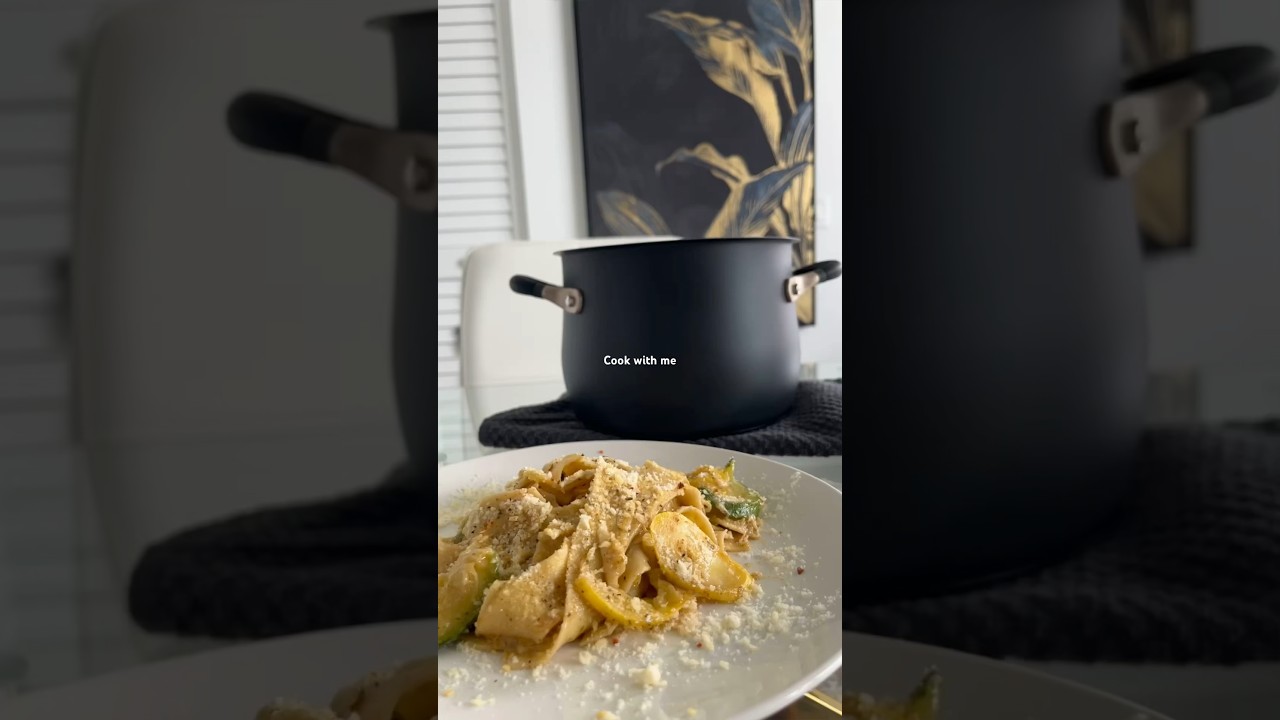
- Versus stainless tri-ply: McWare spreads heat greater evenly throughout a broad base for less fee, quite in immense pot sizes. Stainless is inert, larger for tomatoes and wine, and more abrasion-resistant. For family members-sized stews without heavy acid, McWare is more straightforward to organize on gasoline flames that do not suit the pot’s complete width. Versus enameled solid iron: Cast iron excels within the oven and holds warmth like a champ, but it would scorch at the bottom when you are not watchful at the stovetop, primarily on prime BTU burners. McWare warms rapid, cools swifter, and weighs a long way less. If you've ever lifted a 7-quart enameled Dutch oven complete of stew, your wrist will take pleasure in the big difference. Versus contemporary nonstick: You buy nonstick for eggs and mushy launch at low to medium warm. Large nonstick pots are infrequent, and long simmers on nonstick are usually not most fulfilling for coating lifespan. McWare can take roux, browning, and bigger heat with out hectic approximately a polymer floor, yet it stays less demanding to easy than stainless as a floor season develops.
The Induction Question and Workarounds
More kitchens movement to induction every yr, which complicates the McWare selection. If your standard cooktop is induction, McWare will no longer warmth with out a bridge. Induction interface discs exist and would be pleasant for infrequent use. The industry-off is twofold. First, the heat spreads from the disc upward other than promptly simply by the pot base, which introduces lag. Second, the disc will become a really sizzling slab on your glass cooktop and will lure heat close the floor.
If you adore the McWare experience yet live on induction, buy it for open air burners and crawfish rigs, then lean on stainless-clad or enameled iron internal. If your kitchen is gas or electrical coil, none of this applies.
Care and Maintenance That Actually Works
McWare asks for functional care. Treat it like a instrument.
- Wash by means of hand with warm water, a smooth sponge, and a little bit dish soap. Skip the dishwasher. Detergent ingredients and lengthy cycles can darken aluminum and etch the floor over time. Avoid bleach, oven cleanser, or lye-centered agents. They assault aluminum. Do not scour with metallic wool. If one thing sticks, simmer water with a pinch of baking soda for 5 minutes, scrape with a timber spatula, and it lifts. Dry absolutely in the past storing to continue water spots minimal. If you need the interior to free up more suitable through the years, warmth the pot dry for a minute, wipe a skinny movie of impartial oil, then permit it cool. That just isn't a true seasoning like cast iron, yet it smooths microtexture and improves usability.
If you're tempted to shine the exterior returned to reflect, recognise that competitive sprucing thins the herbal oxide, and the bright glance will fade once more after a number of chefs. I leave mine as a matte silver with fair wear.
Value and Price Context
McWare sits within the market as a significance workhorse. Prices vary via sector and shop, but as a ballpark, a 12-quart inventory pot in general lands below the value of a mid-tier eight-quart stainless tri-ply. You are buying thickness and casting as opposed to branding or aesthetic completing. If you solely prepare dinner for one, it will possibly believe like overkill. If you cook dinner for six on Sundays and host crawfish boils inside the spring, the dollar-per-meal math tilts in McWare’s prefer quickly.
What you do not get for the fee: induction compatibility, anodized surface, or mirror-conclude have compatibility and varnish. What you do get: thick bases, roomy geometry, and a floor that forgives a distracted cook.
Common Misconceptions and Nuanced Trade-offs
A few claims swirl round aluminum cookware that deserve clearer framing.
Aluminum explanations foodstuff to stick. Sticking is more about heat control and delicacies moisture. Aluminum’s top conductivity can outrun your oil while you blast the burner. Preheat lightly, add oil, then cuisine. Let protein launch evidently once a crust sets. After a number of months of use, the inside will get greater cooperative.
Aluminum ruins tomato sauce. Prolonged, high-acid simmering can decide upon up steel notes. A short simmer or finishing step infrequently does. I nonetheless want stainless for long tomato builds, however I will deglaze tomato paste in McWare while making a gumbo base with no concern due to the fact that it's a short step accompanied through inventory.
Aluminum wears out immediate. Thin aluminum does. Cast aluminum lasts, fantastically if lids and handles are also solid. Expect many years, now not years, while you do not surprise it or gouge it with steel methods.
There is likewise the query of thermal agenda. If you're making a darkish roux, the speed and evenness of aluminum is an asset. If you're baking no-knead bread at 475 degrees, use forged iron with a lid that tolerates that warm and traps steam. No unmarried materials is best possible for every task.
Who Will Love McWare, and Who Will Not
Cooks who get advantages so much from McWare share about a conduct. They prepare dinner in number and place confidence in simmered dishes that present regular warm. They fee a pot that heats speedy and is easier to boost. They do not choose to infant a sensitive coating. They either cook dinner on fuel or coil electrical or they've an outside burner inside the mixture.
If you reside on a constant food regimen of tomato braises and wine rate reductions, or your stove is induction-in simple terms, McWare is just not your mainstay. If your prominent pan is a ten-inch nonstick for 2 eggs both morning, the giant McWare pieces will accumulate filth. And if you happen to prize pristine cosmetic finish, the sincere patina would possibly hassle you.
Field Notes From the Kitchen
A few concrete examples to calibrate expectancies:
- 12-quart stock, shrimp boil for eight: Bring 6 quarts of water to a rolling boil on a fifteen,000 BTU gas burner in more or less 18 to 22 minutes, relying on the beginning water temp. The pot’s base spreads the heat sufficient that corn at the underside does not scorch even though sausage floats. After draining, residual warmth drops instantly, which allows sidestep overcooking while you plate. 5-quart hen fryer, bone-in thighs: Preheat 90 seconds on medium, upload a tablespoon of oil, then thighs epidermis-part down. The first two mins stick gently, then unlock refreshing as the skin renders. Brown is even, with a marginally darker above the principle gasoline jets. Turn the flame down a hair and the new spots disappear. Deglaze with stock and you'll not flavor aluminum. Dark roux for gumbo: Equal ingredients oil and flour, medium heat, 25 to 35 mins depending on how competitive you prefer to be. The color switch is sleek and predictable. If you spot wisps of smoke, the pot responds to a small adjustment with no momentum wearing it into burnt territory. I prefer this to enameled cast iron, which has a tendency to save heat and punishes late stirring. Red beans, simmered two hours: Set the tiniest flame that assists in keeping a delicate burble. The floor slightly trembles, skins dwell intact, and nothing sticks. A mushy stir each 20 minutes is all it takes. Move leftovers into a glass box once cooled. The beans style refreshing tomorrow.
These are the dishes that make McWare believe like a reliable tool, not a novelty piece.
Environmental and Health Considerations Beyond the Pot
It is honest to ask approximately the environmental footprint. Casting aluminum more often than not makes use of recycled feedstock, and aluminum is tremendously recyclable at give up of existence. That noted, smelting is potential-intensive. A pot that lasts many years amortizes that initial footprint more desirable than a nonstick pan that loses its coating in three to 5 years and will get changed. On the wellbeing and fitness entrance, the cookware does not use PFAS or different man made coatings, a plus for the ones seeking to lessen polymer touch in excessive-warmness cooking.
Final Take: A Practical Workhorse With Clear Boundaries
McWare is sincere cookware. It does now not promise to be all the things. It is heavy enough to unfold warm, easy sufficient to maneuver, practical ample to confidence. For inventory, beans, étouffée, rice, roux, shallow frying, and boil-centric cooking, it gives you regular overall performance with minimal fuss. The surface is uncoated aluminum, meaning you deserve to steer clear of lengthy acidic simmers and restrict storing leftovers in the pot. It is not really induction-compatible out of the field. It will scratch and develop patina, and it is section of the appeal if you want resources that prove their work.
If your kitchen already has a very good stainless saucepan and a cast iron Dutch oven, McWare fits because the massive-layout everyday driving force that sees the maximum stovetop time. If you are building from scratch and prepare dinner for a crowd, that you need to do worse than beginning with a 12-quart stock and a 5-quart fryer. They control the bulk of relatives-scale duties with fewer warm spots and less arm stress than the standard suspects.
A mcware pots review that leaves out the human element misses the element. These pots are furniture at fish fries and Sunday dinners in view that they do the basics nicely, retain up to actual use, and get out of the means. That is the very best praise a work of cookware can earn.